
Your Dance Floor's 7 Deadly Sins
What empties a wedding dance floor? Most of the time, it is not the music. It is the plan around it: dancing that gets stopped once it starts, a send-off before the real end, cigars or a faraway bar pulling people away, a floor too big for the room, and a couple who is somewhere else. Each is easy to fix in planning, and each has a human reason behind it.
That reason starts with how it feels to be the first person dancing. Guests at a wedding are not performers. Most of them are a little self-conscious, and they think more people are watching them than really are. Psychologists call this the spotlight effect. In a series of studies, people who wore an embarrassing T-shirt into a room guessed that more people noticed it than actually did.
People tend to believe that the social spotlight shines more brightly on them than it really does.
Gilovich, Medvec & Savitsky, 2000, Journal of Personality and Social Psychology
So guests wait until the floor looks safe. They join when other people are already out there, when the space feels full, and when the people they care about are dancing too. Almost everything below comes back to that feeling, and to giving guests fewer reasons to step away once they have found their nerve.
1. Breaking up the dancing
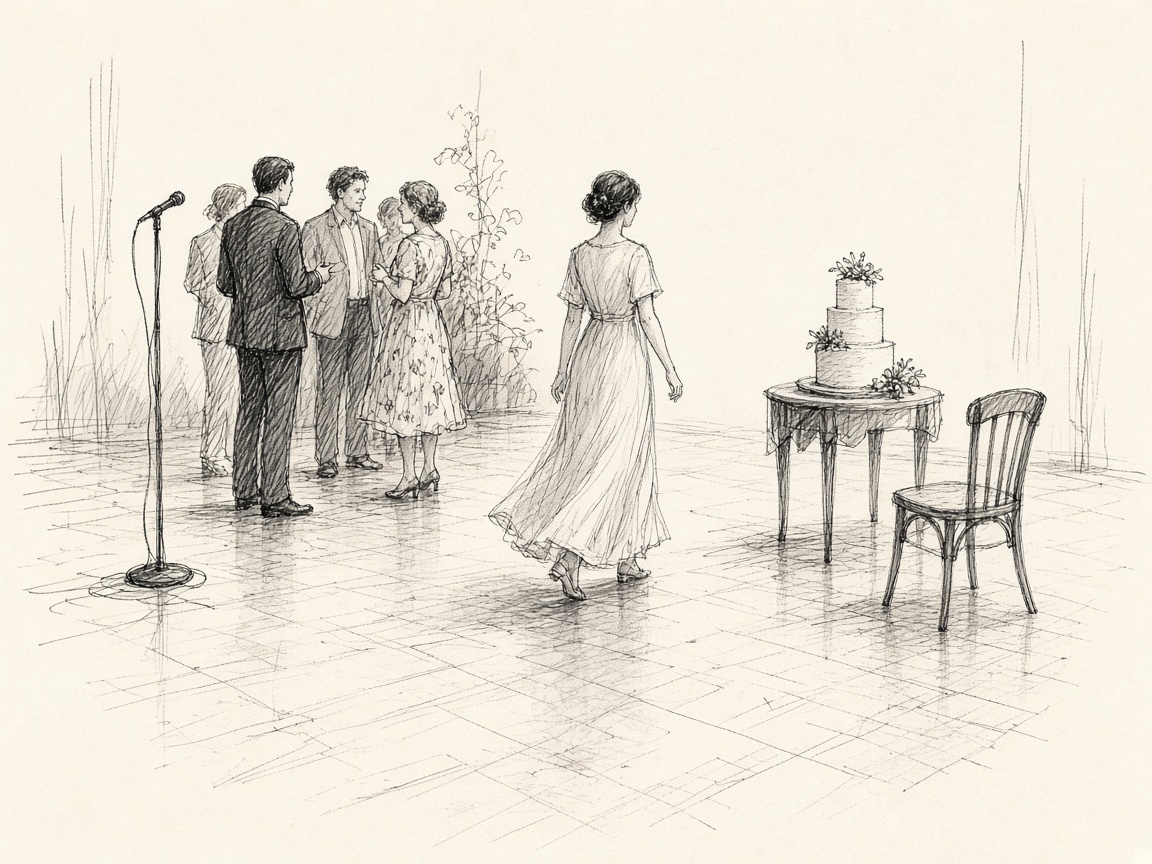
Your aunt is not a dancer. It takes three songs of watching and your cousin pulling her by the hand before she walks onto the floor. Fifteen minutes later the music stops for the cake cutting. She steps back to watch, finds her chair, and does not get up again.
Starting is the hard part for most guests. Once someone is dancing, staying is easy, because they are already past the moment of feeling watched. Every stop in the music turns that back into a choice. People sit down, refill a drink, start a conversation. And the guests who needed the most courage to get out there in the first place are the least likely to make the walk twice.
What usually works is simple: get the toasts, the cake, and any other planned moments done before open dancing begins. Once the floor fills, let it run. If there is something you want to happen during dancing, like an anniversary dance or a bouquet toss, place it right at the start of dancing or near the end of the night, and keep it short. Your host can ask everyone to stay on the floor for it.
If a toast or a tradition only makes sense later in the night, keep it where it belongs. Your host will keep it brief and bring the music right back.
2. The fake exit
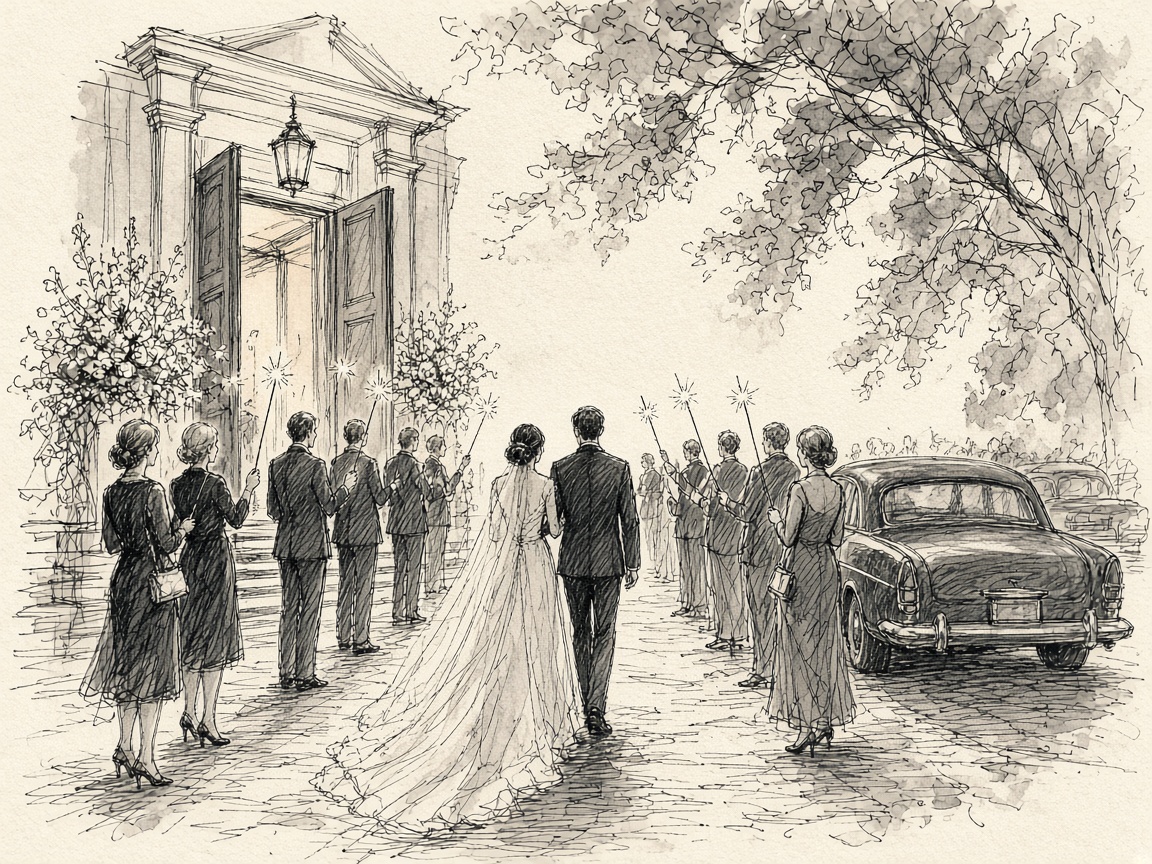
It is 9:30. Your photographer leaves at 10, so everyone lines up outside with sparklers for the send-off photo. You run through the tunnel, wave, climb into the car, drive around the block, and come back in. The reception runs until 11.
Your college roommate holds a sparkler, cheers, and hugs your mom goodbye. She is already outside, already holding her purse, and her car is right there. She goes home. So does the table of family friends who drove in from Fort Worth. When you walk back in, the room is half the size it was, and the guests still there are unsure whether the night is over.
A send-off is the clearest signal a wedding has. Once you put every guest outside and act out the ending, it is very hard to undo. You are asking a hundred people to walk back inside, set their things down again, and decide to keep celebrating after they have already said goodbye.
It also changes how people remember the night. Researchers had people hold a hand in cold water twice: once for 60 seconds, and once for 90 seconds where the last 30 were slightly less cold. Asked which to repeat, 22 of 32 chose the longer one, because it ended better.
A night that ends on a fake goodbye and a thinning room is remembered differently from one that ends with everyone you love on the floor.
This is one we feel strongly about. Do your exit at the real end of the night. If your photographer's coverage ends early, add an hour, or let the exit go unphotographed and ask a guest to film it on a phone. If you want sparkler photos, take them with only the wedding party, during cocktail hour.
The only time to skip this advice is if you truly do not mind how the night ends. If that is you, go ahead, and your host will make the most of whoever stays.
3. Cigars during dancing
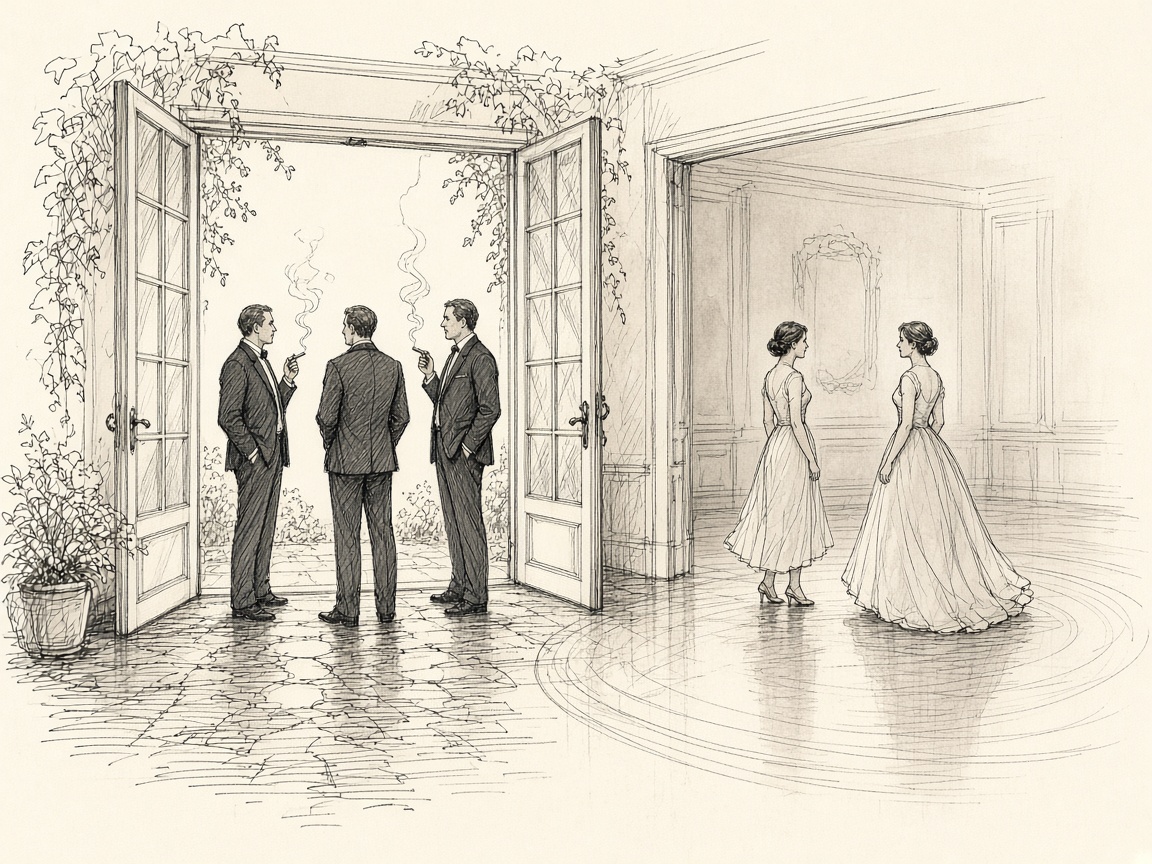
The cigar bar opens at 9. By 9:15, your husband, his dad, and most of the groomsmen are out on the patio. Their wives and girlfriends dance for one more song, then go sit down to wait.
People at weddings move in small groups. They came with someone, and they leave the floor when that someone leaves. Cigars do not take one guest away. They take a whole group, plus the people who came with them. A cigar also lasts most of an hour, so the group rarely comes back before the dancing winds down.
If cigars are part of your wedding, there are two times that work well. One is cocktail hour, when guests are already outside and mingling. The other is after the last dance, as a late-night hangout for whoever wants to stay. Both let the cigar crowd enjoy it without pulling anyone off the floor.
4. A dance floor that is too big
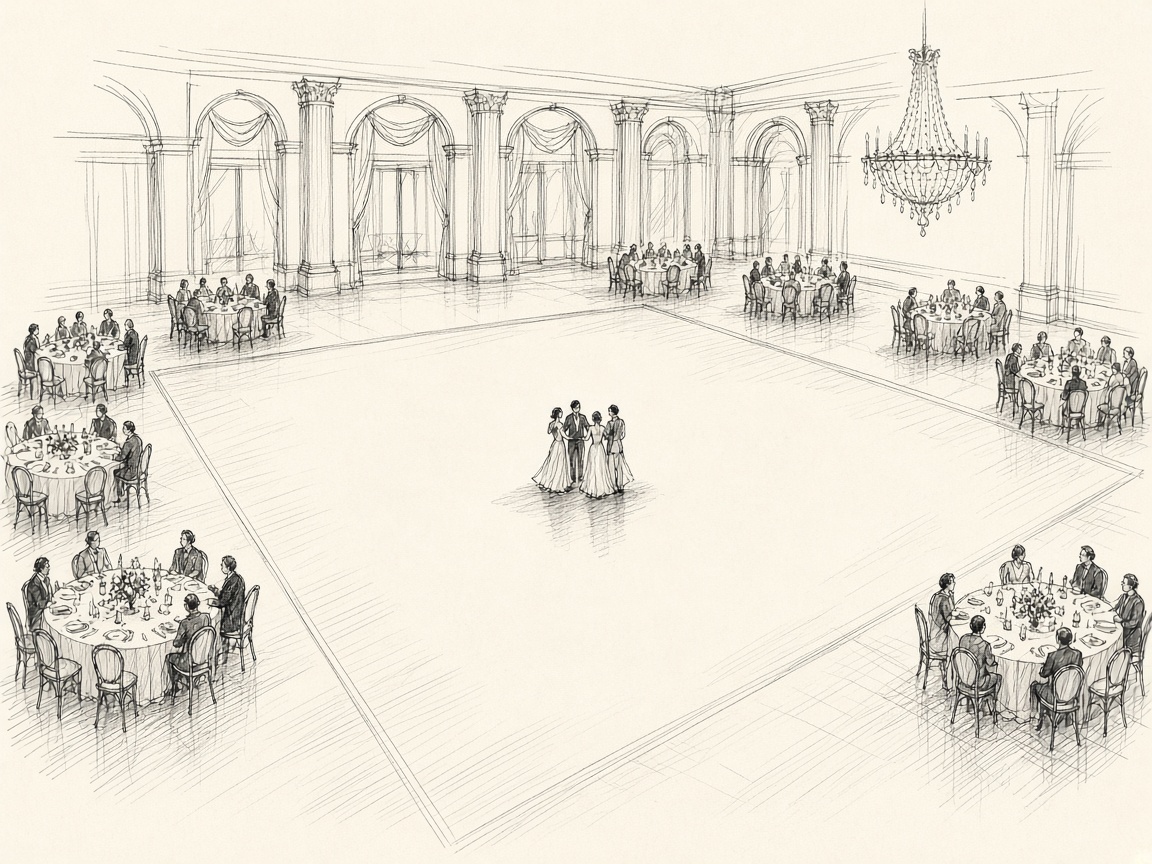
Picture a ballroom floor built for 300, at a wedding of 90. A dozen people dance in the middle of a wide, empty square, with twenty feet of bare floor between them and the nearest table. Nobody at the tables wants to be the next one to walk across all that open space.
When a room is full, people pick up on each other more. In one study, small groups listened to comedy recordings while seated either close together or spread out. A planted guest laughed out loud in half the groups.
High density combined with a laughing model results in more laughter by the subjects.
Freedman & Perlick, 1979, Journal of Experimental Social Psychology
A dance floor tends to work the same way. When people are close, one person's fun spreads to the next. When they are spread out, it fades before it reaches anyone.
The good news is you don't need a smaller venue or more guests. You do need to find a way to shrink the room. Here is how:
- Pull the tables in. Set dinner tables close around the floor, with no wide gap between the last table and the first dancer. People sitting near the edge are one step from joining.
- Bring the floor inward. If the floor or the host setup can move, put it toward the middle of the room instead of against a far wall, so dancers have guests on more than one side.
- Frame it with furniture. Lounge seating, cocktail tables, or a row of chairs at the edges can close in a floor that is wider than you need.
- Light a smaller area. Light only the part of the floor you want used, and let the edges stay dark. People dance where the light is.
- Use the speakers and host table as edges. Placed at the sides of the area you want filled, they mark where the floor ends.
- Start in the middle. When dancing opens, the two of you step into the center of the floor, not the edge, so guests gather around you.
Your planner and venue team know the room best, so bring these ideas to them and see what fits. If the floor cannot change, that is fine, and your host will gather people toward one side and light the smaller area.
5. A bar in the wrong place
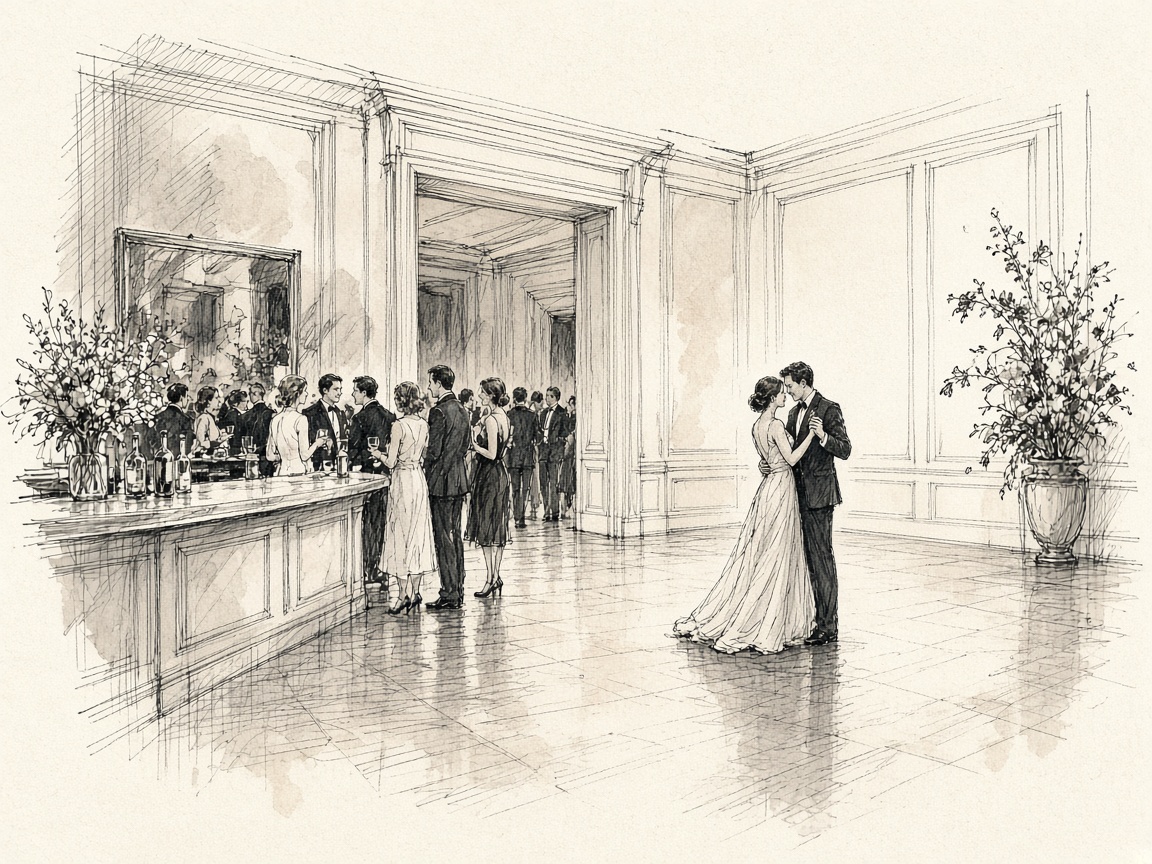
The bar is in the next room. Your cousin goes for a drink, runs into friends she has not seen since high school, and spends the next hour talking there.
Guests gather where the drinks are, and that makes sense, since a bar is a natural place to talk and talking is a big part of why people come to weddings. But when the bar is far from the floor, you end up with two parties in two rooms, and the one by the bar tends to grow.
If you have a choice, put the bar close to the floor and in sight of it, so a drink run is a short walk. Many venues have one bar in one fixed place, and that is completely fine. Ask whether a second drink station or a water table can be set up near the floor.
6. A missing bride or groom
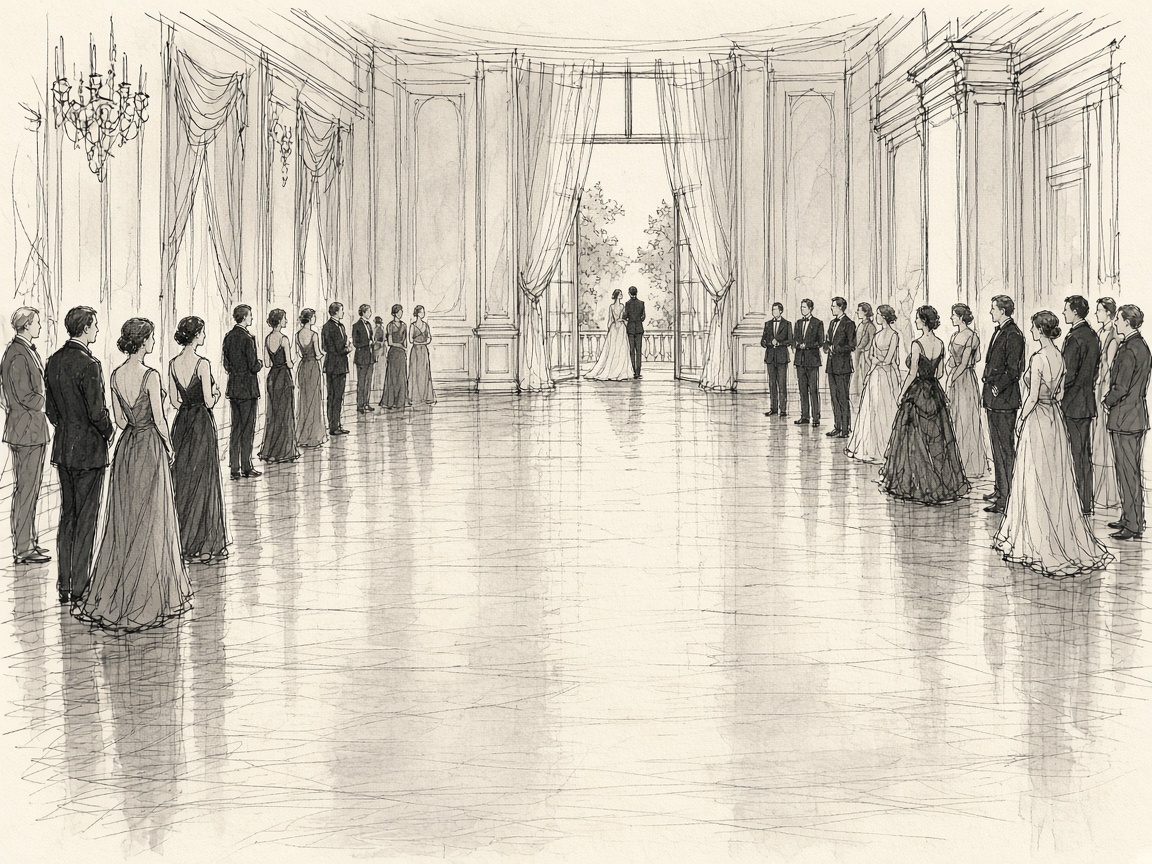
Couples go missing in a few common ways:
- They leave for sunset photos ten minutes after dancing opens.
- They spend most of the reception talking at tables, one table at a time.
- They leave early for a flight or a long drive.
Each one makes sense. Sunset light is beautiful, and your guests want to talk to you. But they take their cues from the two of you. You are the reason they are there. When you are on the floor, it feels like the main event, and joining you feels natural. When you are gone, guests look around, cannot find you, and decide this part can wait.
What helps is planning your time around the dancing. Ask your photographer when golden hour falls, and plan sunset photos before open dancing or in a short window. Stay on the floor for the first stretch of open dancing, since that is when most guests decide whether to join. Visit tables during dinner, so you are free to dance after. If you have an early flight, an earlier start to the reception can give you the same amount of dancing.
7. An aside for DJs: not building trust before dancing
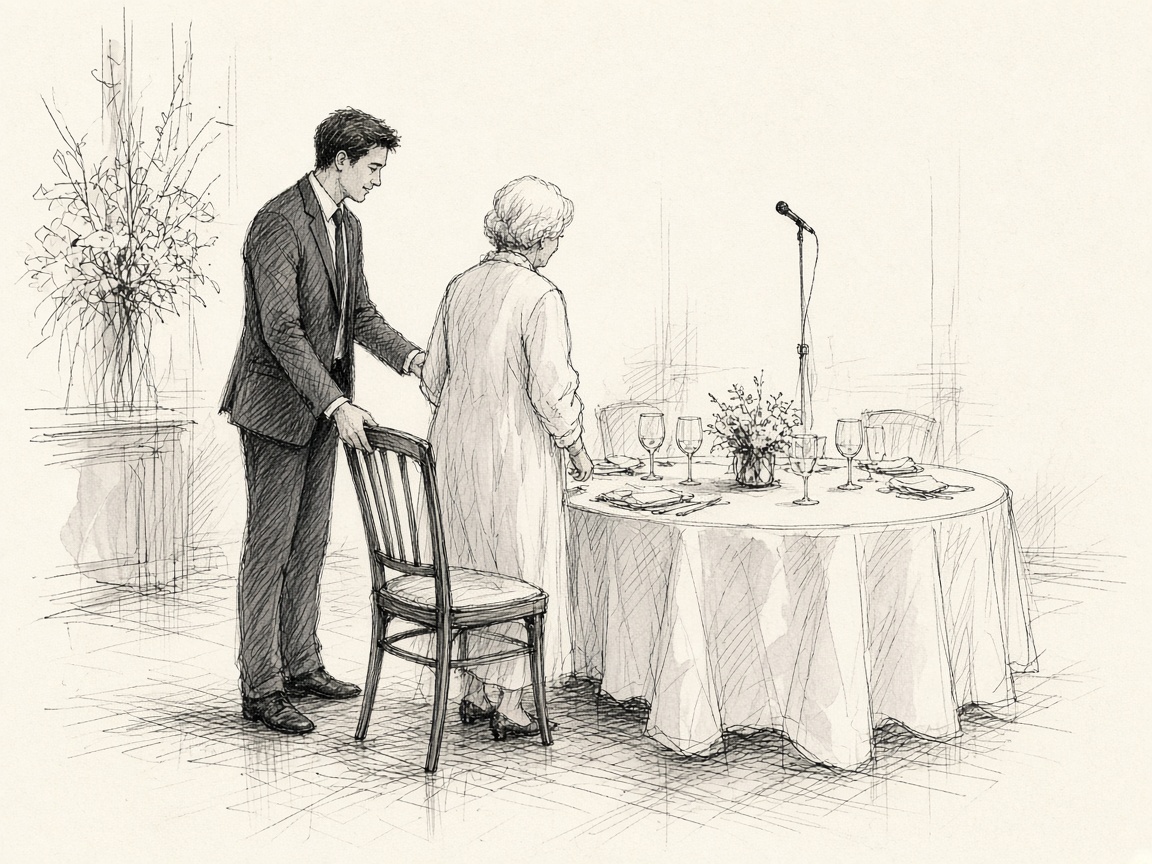
This one is not for couples. It is for the people who host weddings.
If you spend four hours behind a table and then pick up the mic to invite the room to dance, few people will come, and it has nothing to do with the crowd. Dancing in front of people you barely know is a risk, and guests take that risk for someone they trust. When you ask them to dance, they are deciding if you will make them look good or leave them stranded.
That trust is earned in the hours before dancing, through care for guests. Introduce yourself as the host when people arrive. Bring drinks to the family while they wait on photos after the ceremony. Help a grandmother find her table and pull out her chair. Offer the couple gum before they visit tables. Check in at every table during dinner.
By the time dancing opens, the grandmother you helped has told her table about you. The uncle you brought water to has watched you run the toasts well. When you invite them to the floor, they are not answering a stranger with a microphone. They are saying yes to someone who has been looking after them all evening.
Planning for a full floor
None of this has to be perfect, and none of it should take away something you love. Most of it comes down to a few conversations a month or two out: when the toasts happen, when the photos are, where the bar sits, and how the room is set after dinner. Your host should bring these up with you, explain what tends to happen and why, and then help whatever you choose go well on the night.